Published November 2025
Vaccination is one of the most important steps you can take to protect your new puppy or kitten from serious, potentially fatal diseases. Understanding when and why your pet needs vaccinations will help you keep them safe throughout their life. This guide covers everything from the initial puppy and kitten vaccination courses through to adult booster schedules.
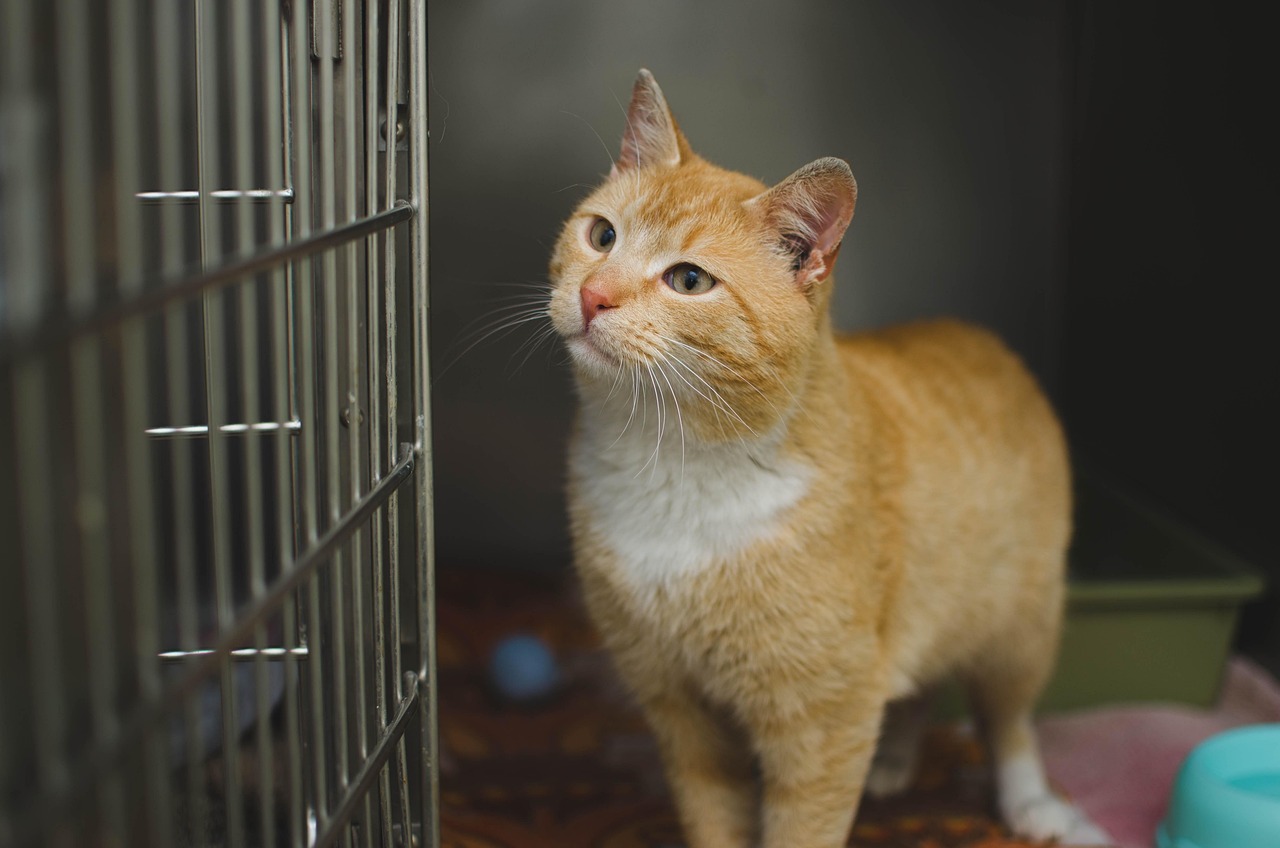
Why Vaccinations Are Essential
Vaccines protect your pet from infectious diseases that can cause severe illness or death. They work by stimulating your pet's immune system to recognise and fight specific diseases without causing the actual illness.
Key benefits of vaccination:
- Protects against life-threatening diseases
- Prevents costly treatment for preventable illnesses
- Required for boarding kennels, catteries, and training classes
- Essential for pet travel and pet passports
- Contributes to "herd immunity" by reducing disease spread in the pet population
- Gives you peace of mind that your pet is protected
Understanding Core and Non-Core Vaccines
Core Vaccines
Core vaccines are recommended for all pets because they protect against severe, widespread diseases. These form the foundation of your pet's vaccination program.
Non-Core Vaccines
Non-core vaccines are recommended based on your pet's lifestyle and risk factors. We'll discuss whether these are appropriate for your pet during your consultation.
Puppy Vaccination Timeline
Puppies are vulnerable to disease because their immune systems are still developing. They receive some immunity from their mother's milk, but this protection fades over time, making vaccination crucial.
First Vaccination (6-8 Weeks)
When: Typically at 6-8 weeks of age
What's included (core vaccines):
- Distemper: A serious viral disease affecting multiple body systems
- Parvovirus: Causes severe, often fatal vomiting and diarrhea
- Adenovirus (Hepatitis): Affects the liver and other organs
- Leptospirosis: Bacterial disease spread through infected urine, can affect humans
What to expect: A brief health check followed by an injection. Your puppy may be slightly quiet or have a small lump at the injection site for a day or two—this is normal.
Second Vaccination (10-12 Weeks)
When: 2-4 weeks after the first vaccination
What's included: The same vaccines as the first dose (booster to build full immunity)
Important: Your puppy is not fully protected until 1-2 weeks after this second vaccination. Until then:
- Avoid contact with unvaccinated dogs
- Don't walk your puppy in public areas where other dogs have been
- Carry your puppy for socialization experiences rather than letting them walk
- Invite vaccinated, friendly dogs to your home for controlled socialization
Optional Additional Vaccines
Depending on your puppy's lifestyle, we may discuss:
- Kennel Cough (Bordetella): Recommended if your puppy will attend training classes, daycare, or kennels
- Rabies: Only required if you plan to travel abroad with your puppy
Kitten Vaccination Timeline
Like puppies, kittens are vulnerable to infectious diseases during their first months of life. Vaccination provides essential protection as maternal immunity wanes.
First Vaccination (8-9 Weeks)
When: Typically at 8-9 weeks of age
What's included (core vaccines):
- Feline Parvovirus (Panleukopenia): Highly contagious, often fatal disease
- Feline Herpesvirus: Causes severe respiratory disease and eye infections
- Feline Calicivirus: Causes flu-like symptoms and mouth ulcers
What to expect: A thorough health examination and an injection. Kittens tolerate vaccinations very well with minimal side effects.
Second Vaccination (12 Weeks)
When: 3-4 weeks after the first vaccination
What's included: The same vaccines as the first dose to complete the primary course
Important: Keep your kitten indoors until 1 week after the second vaccination for full protection.
Optional Additional Vaccines
We may recommend:
- Feline Leukemia Virus (FeLV): Highly recommended for outdoor cats or those in contact with other cats. This serious virus suppresses the immune system and can cause cancer
- Rabies: Only required if you plan to travel abroad with your cat
First Booster (12-15 Months)
Both puppies and kittens need their first booster vaccination approximately 12 months after completing their primary course. This is crucial for maintaining immunity.
What's included:
- All the vaccines from the primary course
- A thorough health check
- Opportunity to discuss any concerns or behavioral issues
Why it matters: Immunity from the puppy/kitten course begins to wane around 12 months. This booster "tops up" protection and establishes the foundation for long-term immunity.
Adult Booster Schedule
After the first booster, adult dogs and cats require regular booster vaccinations to maintain immunity.
Annual Boosters
Frequency: Once per year
What's included:
- Dogs: Leptospirosis (annual), and other core vaccines as recommended
- Cats: Full health check and vaccination as per current guidelines
Some vaccines provide immunity for longer than one year, but annual health checks are still recommended as they allow us to catch potential health issues early.
What Happens at a Booster Appointment
- Full health examination: Weight check, heart and lung check, dental assessment, body condition evaluation
- Vaccination: Quick injection to maintain immunity
- Health discussion: Time to ask questions and discuss any concerns
- Preventive care review: Check parasite prevention, dental health, nutrition, and weight
- Certificate: Updated vaccination certificate for your records
Why Keeping Vaccinations Current Is Important
Lapsed vaccinations leave your pet vulnerable to disease. Here's why staying on schedule matters:
Immunity Wanes Over Time
Vaccine immunity doesn't last forever. Without boosters, your pet's protection gradually decreases, leaving them susceptible to disease.
Outbreaks Can Happen
Diseases like parvovirus and cat flu still occur regularly in Ireland. Unvaccinated pets are at significant risk during outbreaks.
Legal and Practical Requirements
- Boarding kennels and catteries require current vaccination certificates
- Training classes and dog daycare typically require proof of vaccination
- Pet insurance may not cover diseases preventable by vaccination
- Pet passports require up-to-date rabies vaccination for travel
If Vaccinations Lapse
If your pet's vaccinations have lapsed, they'll likely need to restart the primary course (two vaccines, 3-4 weeks apart) to ensure full protection. This is more costly and time-consuming than maintaining the regular schedule.
Common Concerns About Vaccinations
Are Vaccines Safe?
Yes. Vaccines are extensively tested for safety and efficacy. Serious side effects are extremely rare. The benefits of vaccination far outweigh the minimal risks.
Possible Side Effects
Most pets experience no side effects. Occasionally, you may notice:
- Mild lethargy for 24-48 hours
- Reduced appetite for a day
- Small, temporary lump at the injection site
- Mild fever
These are normal responses as the immune system responds to the vaccine. Contact us if symptoms persist beyond 48 hours or worsen.
Serious Reactions (Very Rare)
Contact us immediately if you notice:
- Facial swelling
- Hives or itching
- Difficulty breathing
- Collapse or severe lethargy
- Vomiting or diarrhea
These symptoms are extremely uncommon but require immediate veterinary attention.
Vaccination and Socialization
Early socialization is crucial for puppies, but it must be balanced with disease protection.
Before Full Vaccination
- Do: Carry your puppy to experience new environments safely
- Do: Invite vaccinated, friendly dogs to your home
- Do: Attend puppy classes that require vaccination proof and clean premises
- Don't: Allow your puppy to walk in public areas
- Don't: Let your puppy interact with unvaccinated dogs
- Don't: Take your puppy to dog parks or beaches
After Full Vaccination
Once fully vaccinated (1 week after the second injection), your puppy can safely explore the world, interact with other dogs, and begin training classes.
Special Situations
Rescue or Rehomed Pets
If you've adopted a pet with unknown vaccination history, we'll assess the best approach. This usually involves restarting the vaccination course to ensure full protection.
Older Pets Starting Vaccinations
Adult dogs and cats can safely begin vaccination at any age. They'll typically need two doses, 3-4 weeks apart, followed by annual boosters.
Immunocompromised Pets
Pets with certain health conditions may need modified vaccination schedules. We'll create a tailored plan based on your pet's individual needs.
Tracking Your Pet's Vaccinations
To help you stay on schedule:
- We'll provide a vaccination certificate after each appointment
- Keep this certificate safe with your pet's other documents
- We'll send reminder notifications when boosters are due
- Set phone calendar reminders for annual booster dates
Frequently Asked Questions
Ready to Start Your Pet's Vaccination Schedule?
Visit our vaccination service page for more information, or contact us to book your puppy or kitten's first appointment.