Published November 2025
As your pet ages, their needs change. With proper care and attention, senior pets can enjoy many happy, healthy years. Understanding what to expect and how to adapt their care will help you provide the best quality of life for your ageing companion.
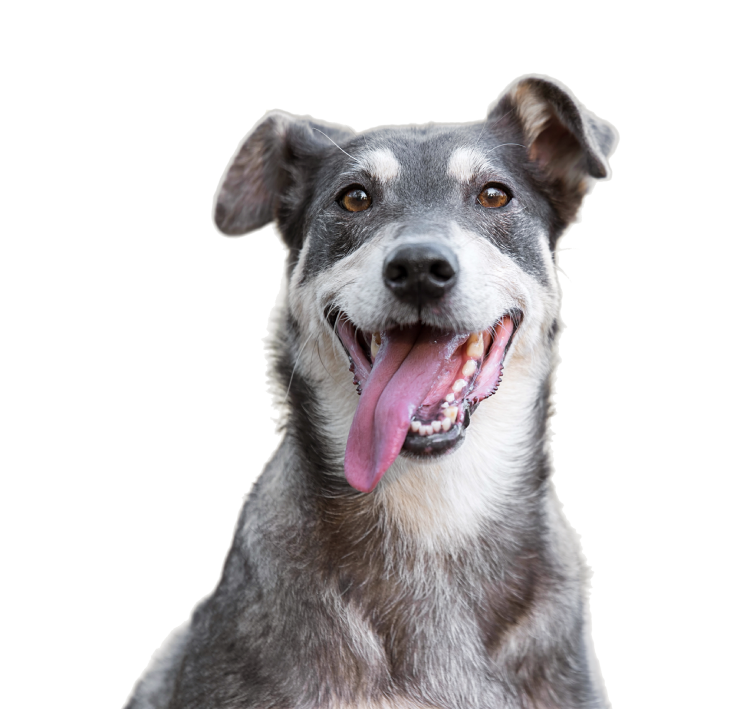
When Is a Pet Considered Senior?
The age at which a pet becomes "senior" varies by size and species:
- Small dogs (under 20 lbs): Around 10-12 years
- Medium dogs (20-50 lbs): Around 8-10 years
- Large dogs (50-90 lbs): Around 6-8 years
- Giant dogs (over 90 lbs): Around 5-6 years
- Cats: Around 10-12 years
Common Age-Related Changes
As pets age, you'll notice gradual changes in their physical abilities, appearance, and behaviour. Understanding these normal changes helps you distinguish between expected ageing and potential health problems.
Physical Changes
- Reduced mobility: Arthritis and joint stiffness
- Sensory decline: Decreased vision and hearing
- Weight changes: Tendency to gain or lose weight
- Dental issues: Increased tooth and gum problems
- Coat changes: Greying fur and skin changes
- Muscle loss: Decreased muscle mass and strength
Behavioural Changes
- Sleeping more during the day
- Reduced interest in play or exercise
- Confusion or disorientation
- Changes in appetite or thirst
- House-training accidents
- Increased vocalization or anxiety
Senior Pet Healthcare
More Frequent Check-ups
We recommend twice-yearly health checks for senior pets. These allow us to:
- Monitor chronic conditions
- Detect new health problems early
- Adjust medications as needed
- Perform routine blood work to check organ function
- Assess mobility and pain levels
Managing Common Conditions
Senior pets often develop chronic conditions. We can help manage these effectively to maintain quality of life:
Arthritis: Pain medication, joint supplements, and weight management can help your senior pet stay mobile and comfortable.
Kidney disease: Special diets and medications can slow progression and manage symptoms.
Heart disease: Medications and regular monitoring improve quality of life and extend life expectancy.
Cognitive dysfunction: Environmental enrichment, specific diets, and supplements may help maintain mental function.
Making Home Life Comfortable
Environment Modifications
- Provide soft, orthopedic bedding
- Use ramps or steps for furniture and cars
- Place food and water bowls at a comfortable height
- Add extra litter trays on each floor (for cats)
- Use non-slip mats on slippery floors
- Keep rooms well-lit for declining vision
- Maintain a consistent routine
Nutrition for Senior Pets
- Switch to senior-specific diets with appropriate calories
- Consider joint supplements (glucosamine, chondroitin)
- Ensure fresh water is always available
- Feed smaller, more frequent meals if needed
- Soften food if dental issues make chewing difficult
Exercise and Mental Stimulation
While senior pets may slow down, they still need appropriate exercise and mental stimulation:
- Shorter, more frequent walks instead of long hikes
- Gentle play sessions adapted to their abilities
- Puzzle feeders and gentle games
- Swimming or hydrotherapy for low-impact exercise
- Regular gentle grooming sessions
When to Contact Your Vet
Senior pets can decline quickly, so contact us if you notice:
- Sudden changes in appetite or water intake
- Difficulty getting up or walking
- Persistent coughing or breathing changes
- Lumps, bumps, or skin changes
- Vomiting or diarrhoea lasting more than 24 hours
- Changes in urination or defecation
- Significant behaviour changes
- Any signs of pain or distress
Schedule a Senior Pet Check-up
Regular health assessments help us keep your senior pet comfortable and catch problems early.